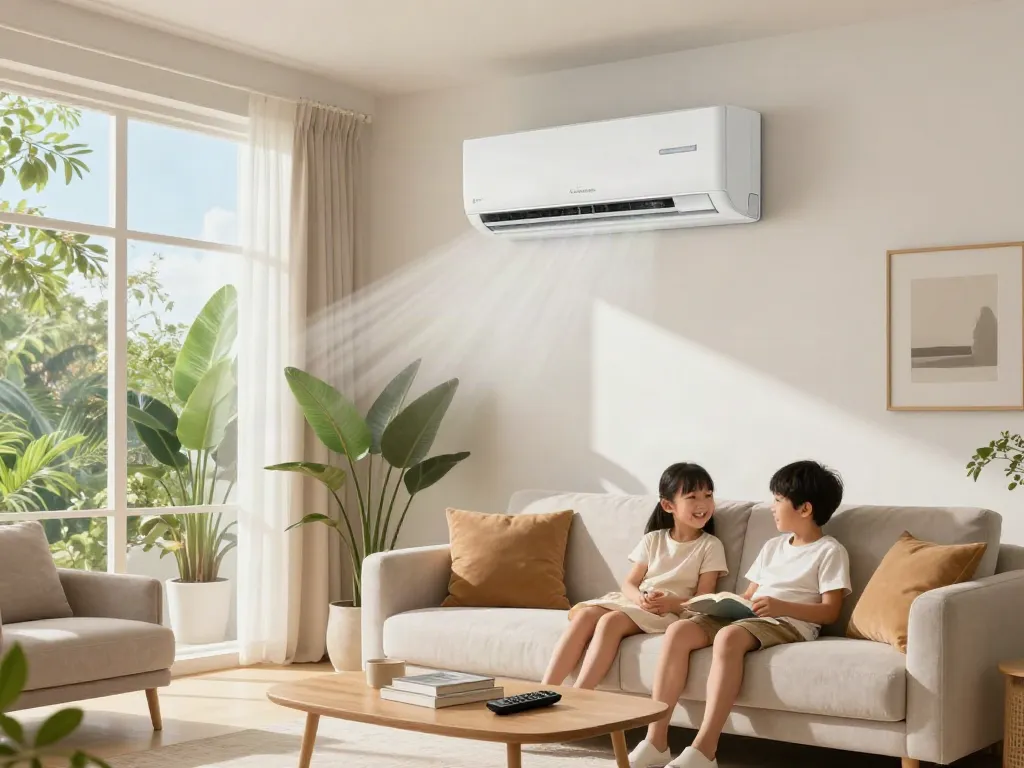
Understanding Ductless AC Systems
Ductless air conditioning (AC) systems are revolutionizing the way we cool and heat our homes. Unlike traditional HVAC systems that rely on extensive ductwork, ductless ac units provide homeowners with flexible and efficient climate control options. With their ability to deliver targeted cooling and heating solutions, these systems are fast becoming a preferred choice for residential and commercial spaces alike.
What Is a Ductless AC?
A ductless AC, commonly referred to as a mini-split system, is a type of heating and cooling solution that operates without the need for ductwork. This system consists of two main components: an indoor unit, which is installed in the living space, and an outdoor condenser unit, which is placed outside. The two units are connected by refrigerant lines, allowing for efficient temperature control in individual rooms or zones.
How Ductless AC Works
The operation of a ductless AC system is straightforward yet innovative. The indoor unit absorbs heat from the room and transfers it to the refrigerant. This refrigerant then travels to the outdoor unit, where it is cooled down and sent back indoors. This process can be reversed for heating purposes, making ductless AC systems versatile for year-round climate control. They can be installed in multiple zones, providing tailored comfort according to the preferences of different occupants.
Advantages of Ductless AC Systems
- Energy Efficiency: Ductless AC systems are known for their energy efficiency, often achieving efficiency ratings of 20 SEER or higher. This means lower energy bills compared to traditional units.
- Flexible Installation: These systems don’t require extensive ductwork, making them ideal for homes without existing ducts, renovations, or room additions.
- Zoned Comfort: Ductless systems allow for individual temperature control in different areas, enhancing comfort and convenience.
- Reduced Noise: Indoor units are generally quieter than traditional systems, providing a more pleasant environment.
- Improved Indoor Air Quality: Ductless AC systems can reduce the amount of dust, allergens, and pollutants that circulate in a home.
Installation Insights
How to Install a Ductless AC
Installing a ductless AC system involves several steps and can vary based on the complexity of the setup. Typically, the installation process includes:
- Choosing the Right Size: Proper sizing is crucial for efficiency. A professional can help determine the BTU requirements for each zone.
- Selecting the Location: Finding ideal locations for both the indoor and outdoor units is essential for optimal airflow and aesthetics.
- Mounting the Indoor Unit: This usually involves securing the unit on a wall or ceiling, while ensuring proper drainage.
- Connecting Refrigerant Lines: Technicians will connect the refrigerant lines and electrical wiring between the indoor and outdoor units.
- Testing the System: Once everything is connected, the entire system is tested to ensure it operates correctly and efficiently.
Common Installation Mistakes
Even with the best intentions, DIY installation can lead to errors. Common mistakes include:
- Improper Sizing: Choosing a unit that is too small or too large can lead to inefficiencies and increased energy costs.
- Incorrect Drainage Setup: Failing to ensure proper drainage can lead to water damage and mold growth.
- Poor Placement of Indoor Units: Not considering airflow or aesthetics can impact the system's effectiveness and user comfort.
Professional vs. DIY Installation
Deciding whether to install a ductless AC system yourself or hire a professional can be challenging. While DIY installation can save money upfront, it often lacks the expertise required for optimal setup. Professionals are better equipped to handle complexities such as refrigerant charging and ensuring energy efficiency. Consider hiring a licensed technician if you are uncertain about your installation capabilities.
Cost Analysis
Initial Costs of Ductless AC
The initial cost of purchasing and installing a ductless AC system can vary significantly depending on several factors, including the size of the system, the number of zones, and installation complexity. Generally, homeowners can expect to spend between $3,000 and $5,000 for a complete system. While this may seem higher than traditional systems, the energy savings can offset these costs over time.
Energy Efficiency and Savings Over Time
One of the primary benefits of ductless AC systems is their energy efficiency. Most mini-split systems are rated with a Seasonal Energy Efficiency Ratio (SEER) of 16-20, compared to traditional systems that average around 13-15. This efficiency translates into lower energy bills and a reduced carbon footprint, making ductless AC systems a wise investment for the environmentally conscious homeowner.
Comparing Costs with Traditional AC Systems
When comparing ductless AC systems with traditional central air conditioning systems, consider both initial investment and long-term operational costs. Traditional systems typically require duct installation, which can add thousands to the installation cost. Additionally, ductless systems may yield savings through lower energy consumption, making them a more cost-effective option in the long run.
Maintenance Best Practices
Regular Cleaning and Maintenance Tips
Maintaining a ductless AC system is crucial for optimal performance and longevity. Homeowners should adhere to the following maintenance practices:
- Clean or Replace Filters: Monthly cleaning or replacing filters ensures efficient airflow and improves indoor air quality.
- Inspect Drainage Lines: Regularly check for blockages in the drainage lines to prevent water damage and mold growth.
- Schedule Professional Maintenance: Annual check-ups by a qualified technician can help identify issues before they become significant problems.
Signs Your Ductless AC Needs Repair
Being aware of the signs that indicate a ductless AC system may need repair can save you from larger, more expensive issues later. Look out for:
- Uneven cooling or heating throughout the home
- Strange noises coming from the unit
- Increased energy bills without a change in usage
- Foul odors emanating from the indoor unit
Long-Term Care for Ductless Systems
Ductless systems can provide years of reliable service with proper care. Long-term care strategies include:
- Regular filter maintenance
- Keeping the outdoor unit clean and free of debris
- Monitoring system performance and addressing problems promptly
Future Trends in Ductless AC Technology
Innovations Expected by 2026
As technology advances, ductless AC systems are expected to become even more efficient and user-friendly. Innovations may include:
- Enhanced inverter technology for more precise temperature control
- Smart home integration features that allow for remote operation and monitoring
- Advanced filters that improve air quality further
Sustainability and Eco-Friendly Options
With a growing focus on sustainability, future ductless systems may utilize environmentally friendly refrigerants and more energy-efficient components that minimize environmental impact while maximizing performance.
Smart Home Integration Trends
The integration of smart technology into ductless systems is expected to become commonplace. Features such as programmable thermostats, app-based controls, and AI-driven energy management systems can enhance user experience and optimize energy savings.
What are the advantages of using a ductless AC?
The advantages include energy efficiency, flexible installation options, improved indoor air quality, and zoned comfort.
How much can I save with a ductless AC system?
While savings can vary, many homeowners report up to 30% lower energy costs compared to traditional systems, depending on usage and energy rates.
Can I install a ductless AC myself?
Although some parts of the installation can be DIY, it is recommended to hire a professional for optimal performance and compliance with local codes.
What is the lifespan of a ductless AC unit?
With proper maintenance, ductless AC units can last 15-20 years, making them a durable option for home cooling and heating.
How often should I service my ductless AC?
It is advisable to have your ductless AC serviced at least once a year to ensure peak performance and address any potential issues.